BETHLEHEM
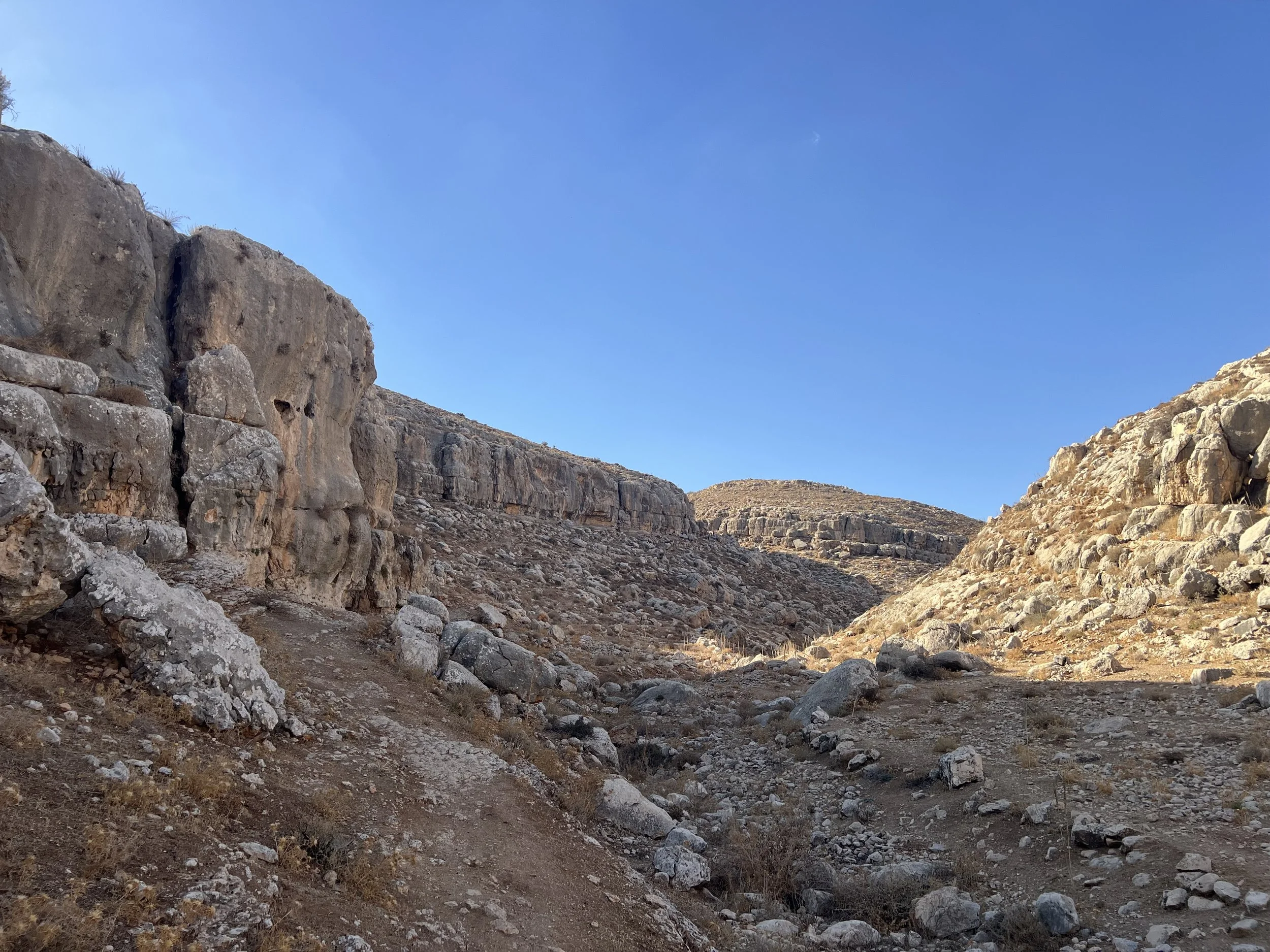
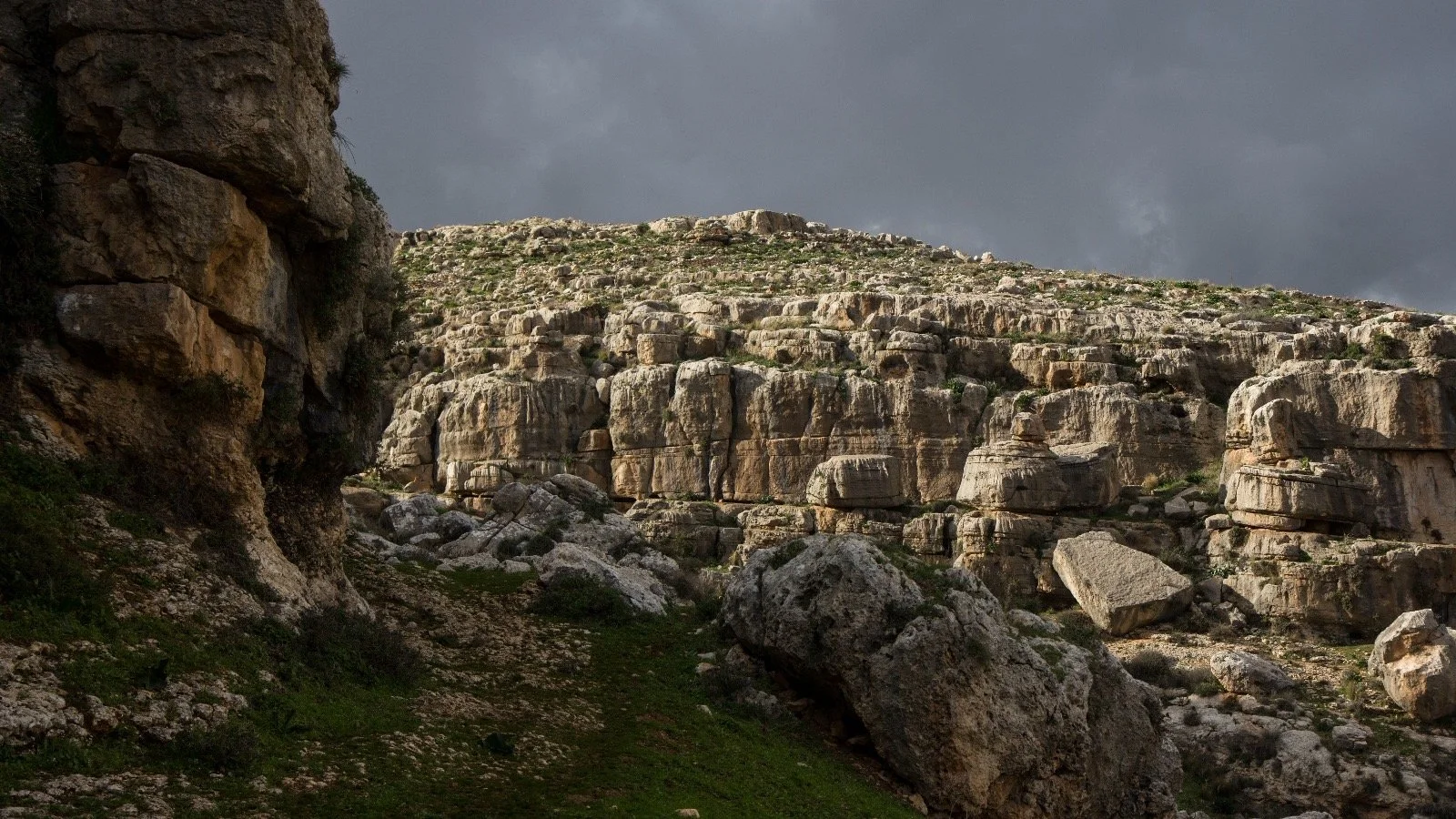
WADI ALGHOUL

THE Area story
Long time ago, there was a myth that a dangerous ogre lived in a cave of the valley. One day, the villagers proposed that if a brave man were to enter the cave at night, they would marry him to a woman from the village. An old man accepted the challenge. They told him to plant a stick inside to prove he had been there. He went to the valley with a rock and a stick. Once inside the cave, he began striking the stick into the ground—but as he rushed to leave, he kept hitting the stick against his long Thobe (garment). When he moved, he believed the ogre had Thobe hold of his garment. The next day, they found him dead of fright, his hair turned white. Then they named the site Wadi Alghoul (the Valley of the Ogre)
Bethlehem
Bethlehem—meaning "House of Fertility" in Canaanite times, "House of Meat" in Arabic, and "House of Bread" in Hebrew, is a holy city home to the most famous church, where Jesus was born ‘the church of Nativity’.
There are many narratives about Jesus (Issa/Yashu) across the three religions. Briefly, Christians and Muslims both believe Jesus was real; the difference is that Christians believe he is the Son of God, while Muslims believe he is a prophet. Both believe he will return. Jews, meanwhile, believe Jesus was false and that the true Messiah has not yet come. Additionally, jews believe that when the Messiah comes, he will gather the Jews again in one land. It was partly for this belief that Christian Evangelicals around the world supported the creation of Israel, to bring about the return of Jesus.
After the Nakba in 1948 and creating Israel, around 90,000 Palestinian Christians were expelled from Palestine to places such as South and North America, a total of 40% of the entire Christian population. Meanwhile, the city received Palestinian refugees, creating three major refugee camps: Aida, Dheisheh, and al-Azza.
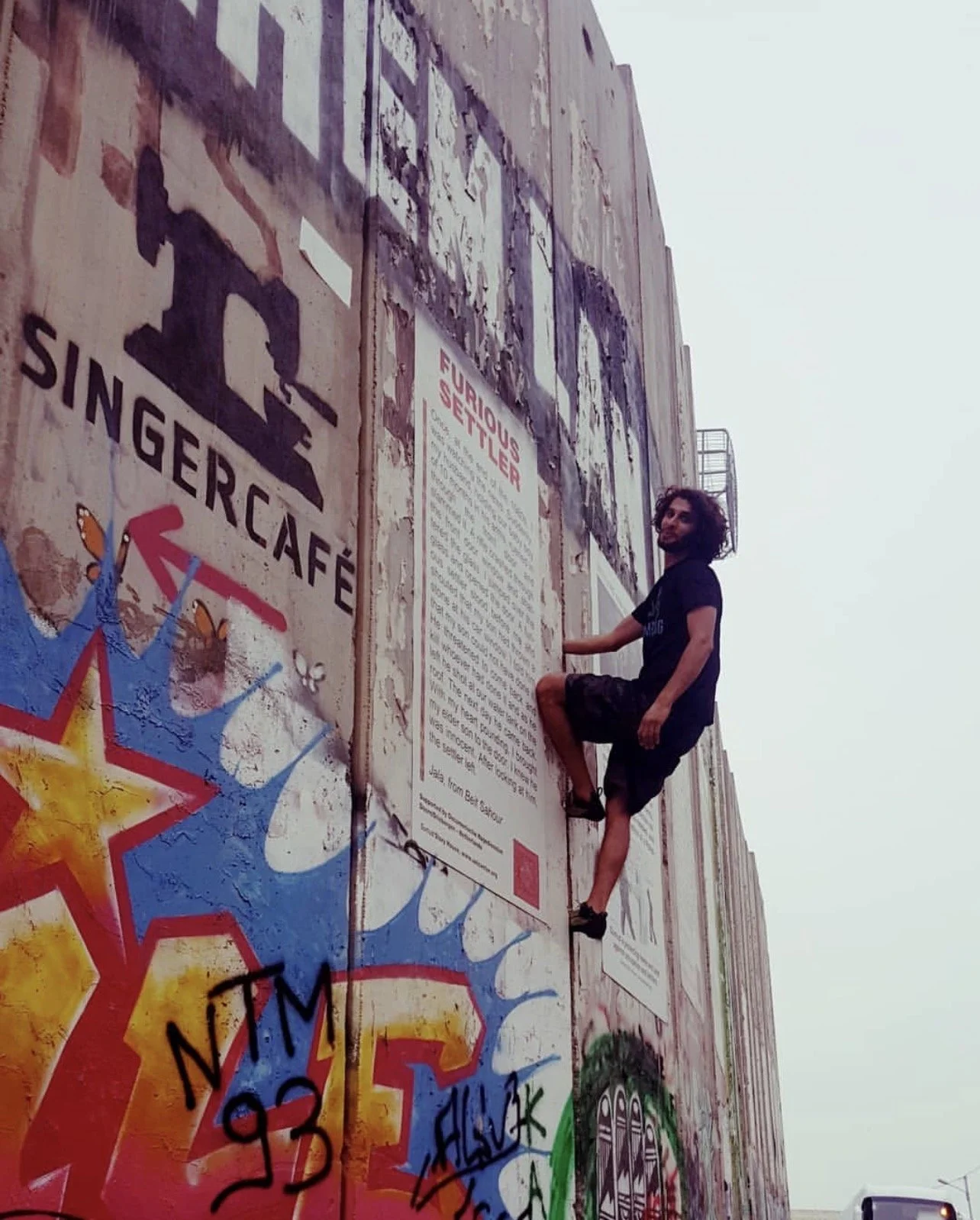
By the beginning of the twenty-first century, the city became marked by an 8-meter-high segregation wall that cuts through its landscape, shaping movement and life in visible ways, covered with graffiti drawn by artists and visitors from all over the world.
-
-
-
-
-
-
-
-
Click اضغط
this side where the sun stays longer on the crag until sunset هذه الجهة تبقى اشعة الشمس على الصخر حتى وقت متاخر من الغروب -
Contents
the climbing story
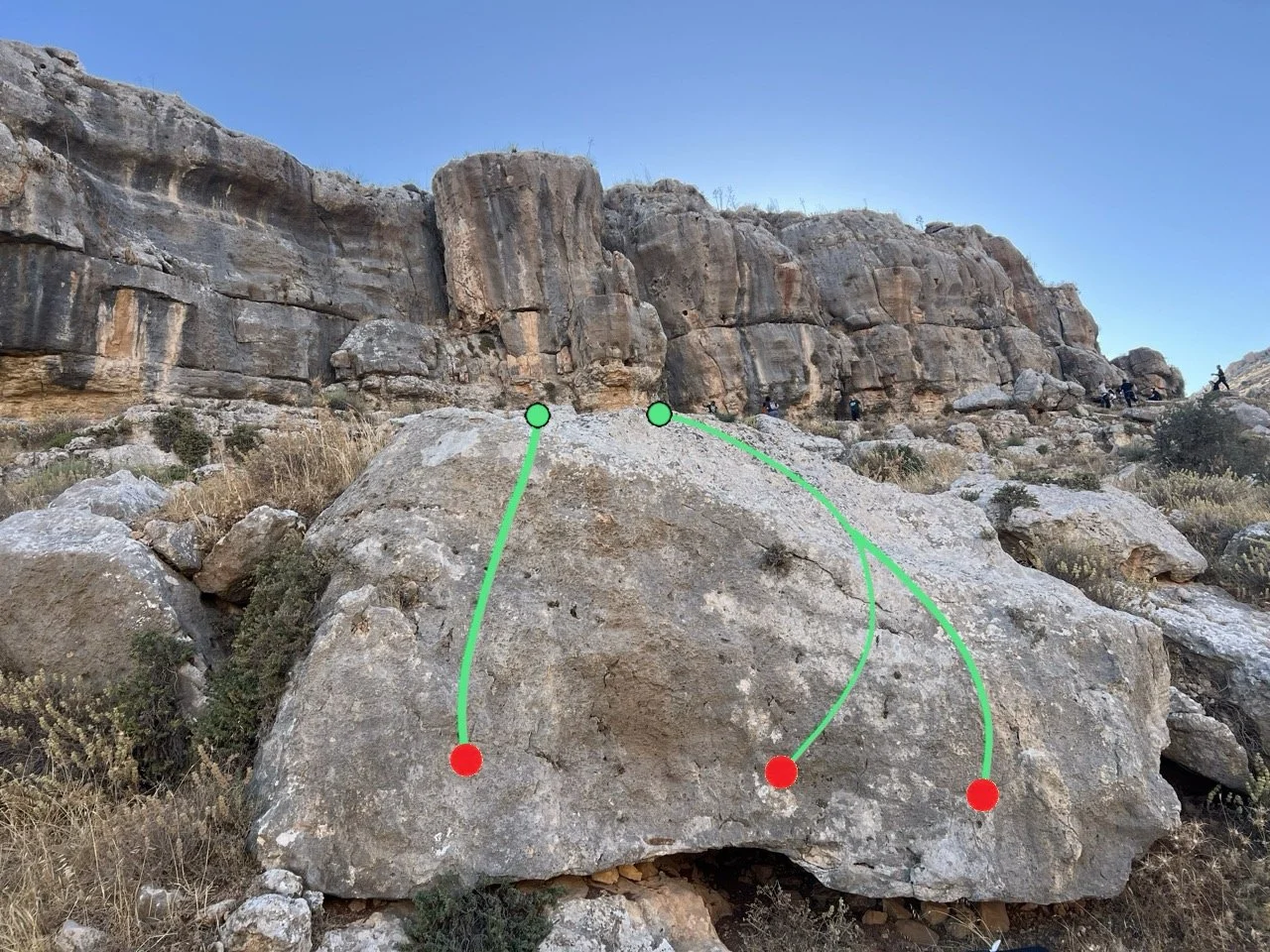
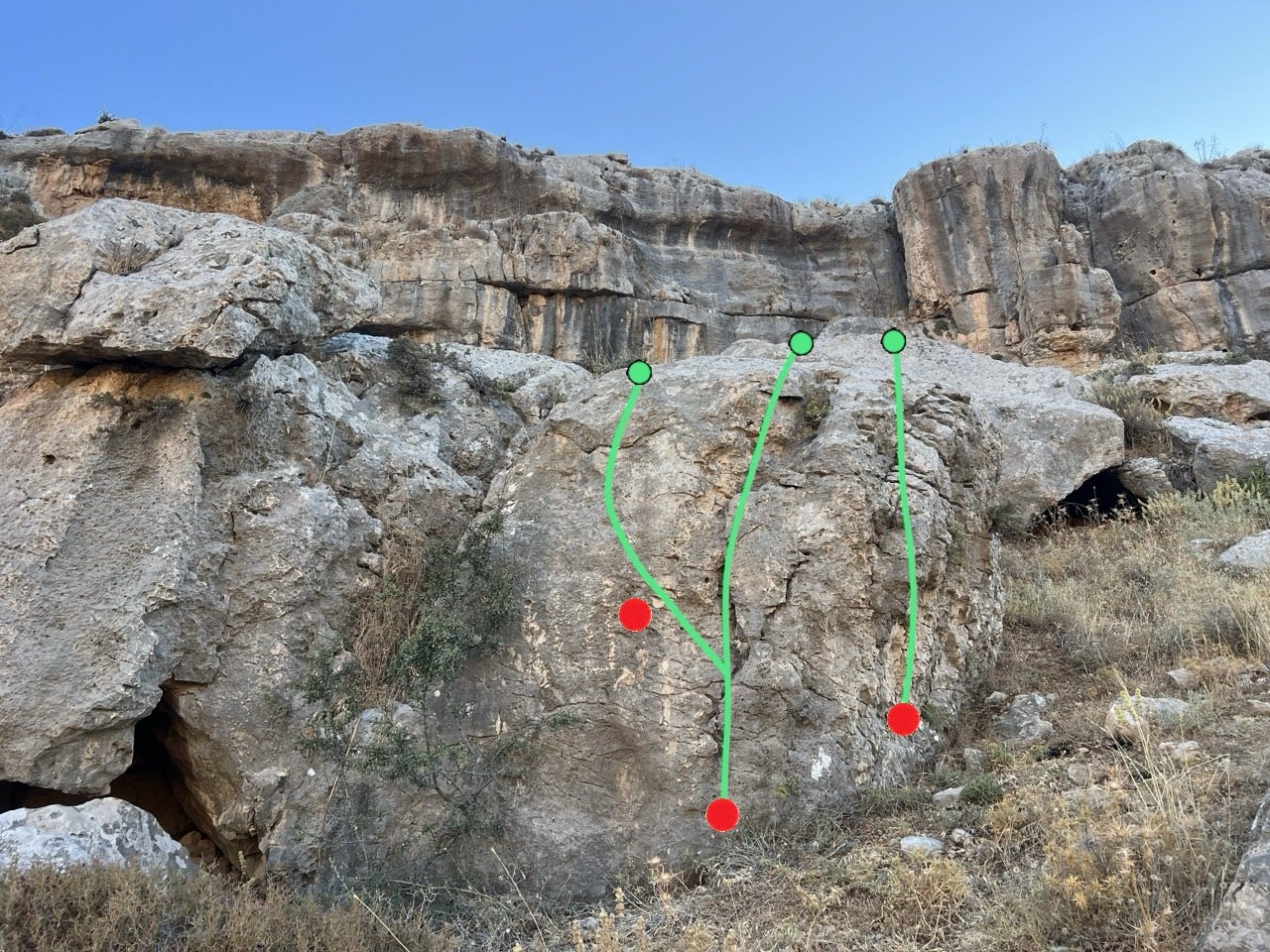
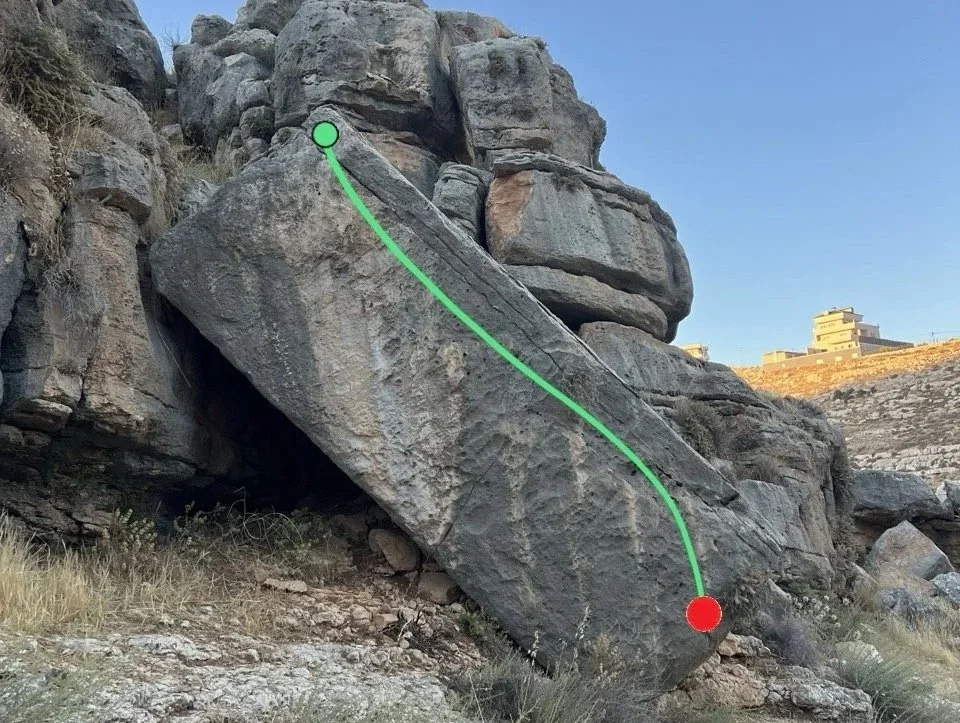
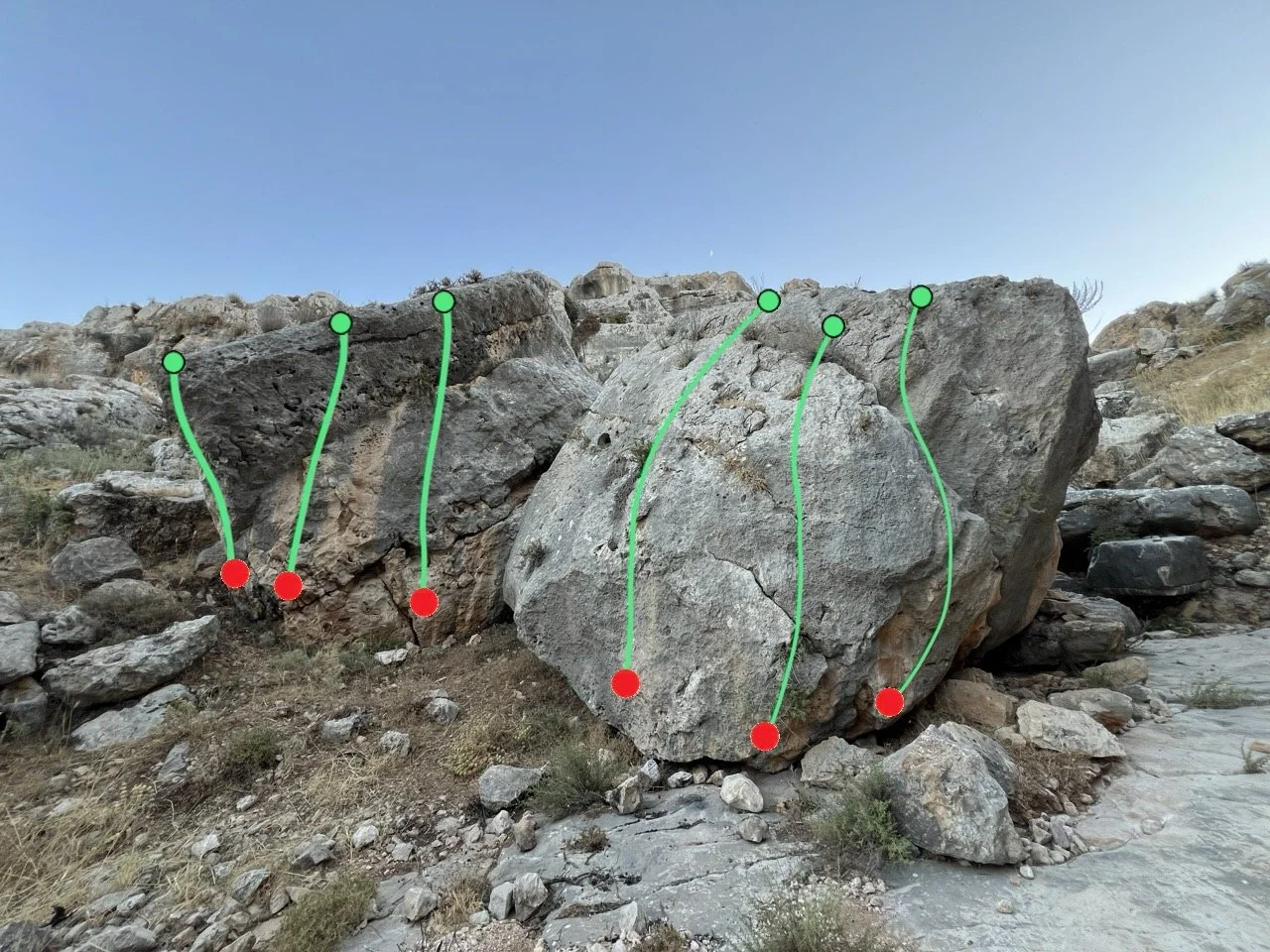
Beyond politics and religion, Palestinian climbers established a new climbing spot just 20 minutes from the City Centre. It is a place in the most magnificent wadis, where climbing feels like moving through layers of time and history.
Route Developers
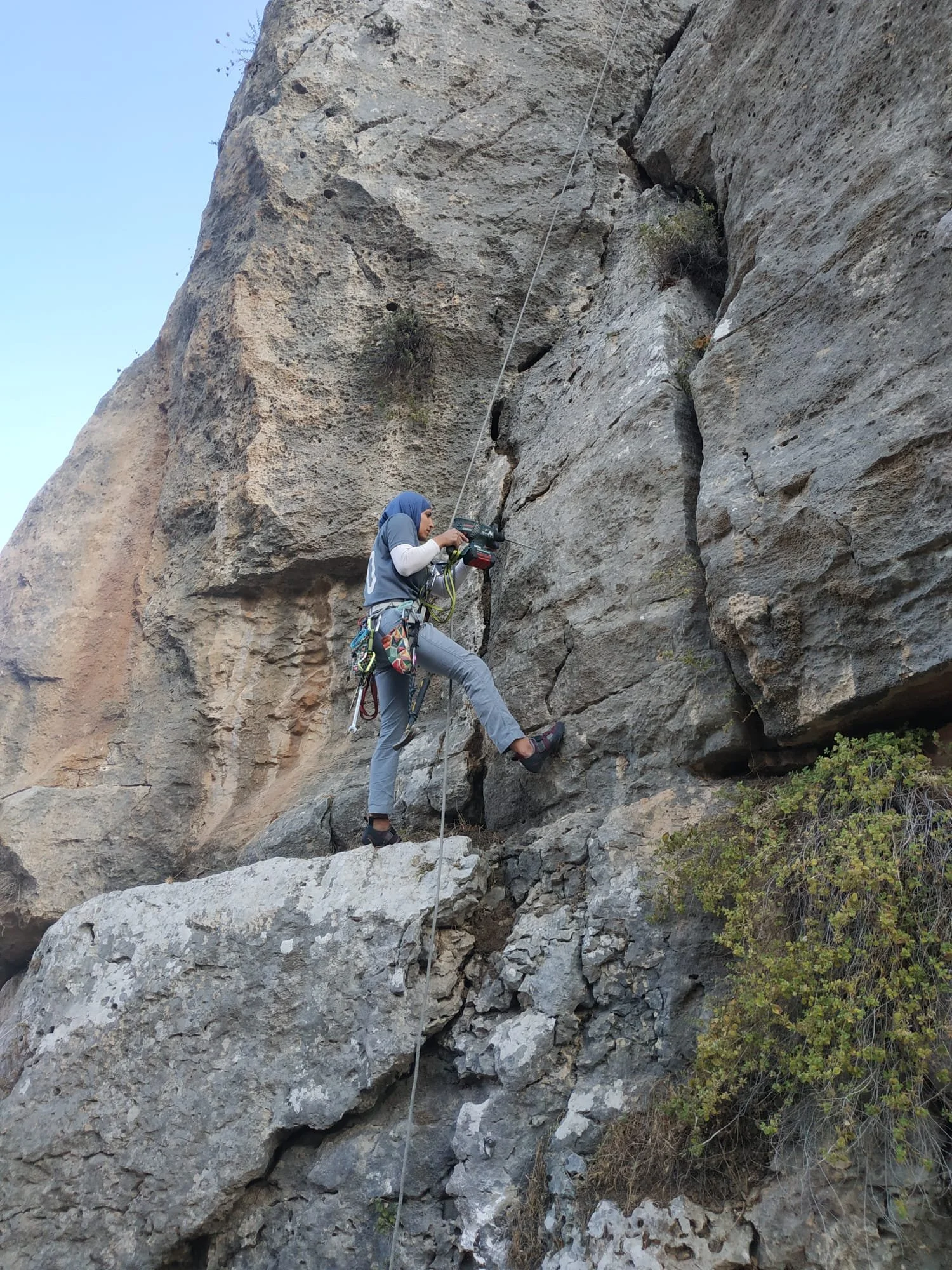
Elia Mancini, Momin Abuyacoub, Mujahed Abuyacoub, Mohammad Al Najadeh (Abu Sayyaf), Amal Taha, assistants: Omran, Matra Fernández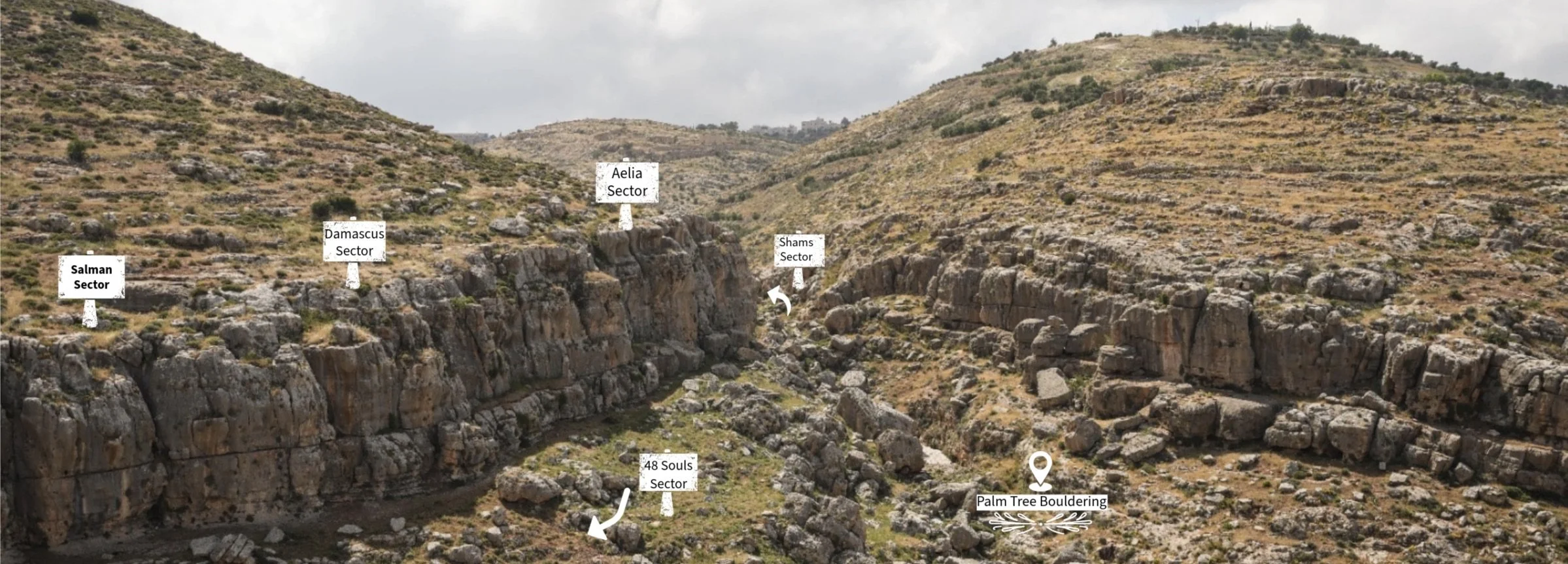
-
![]()
48 Souls Sector
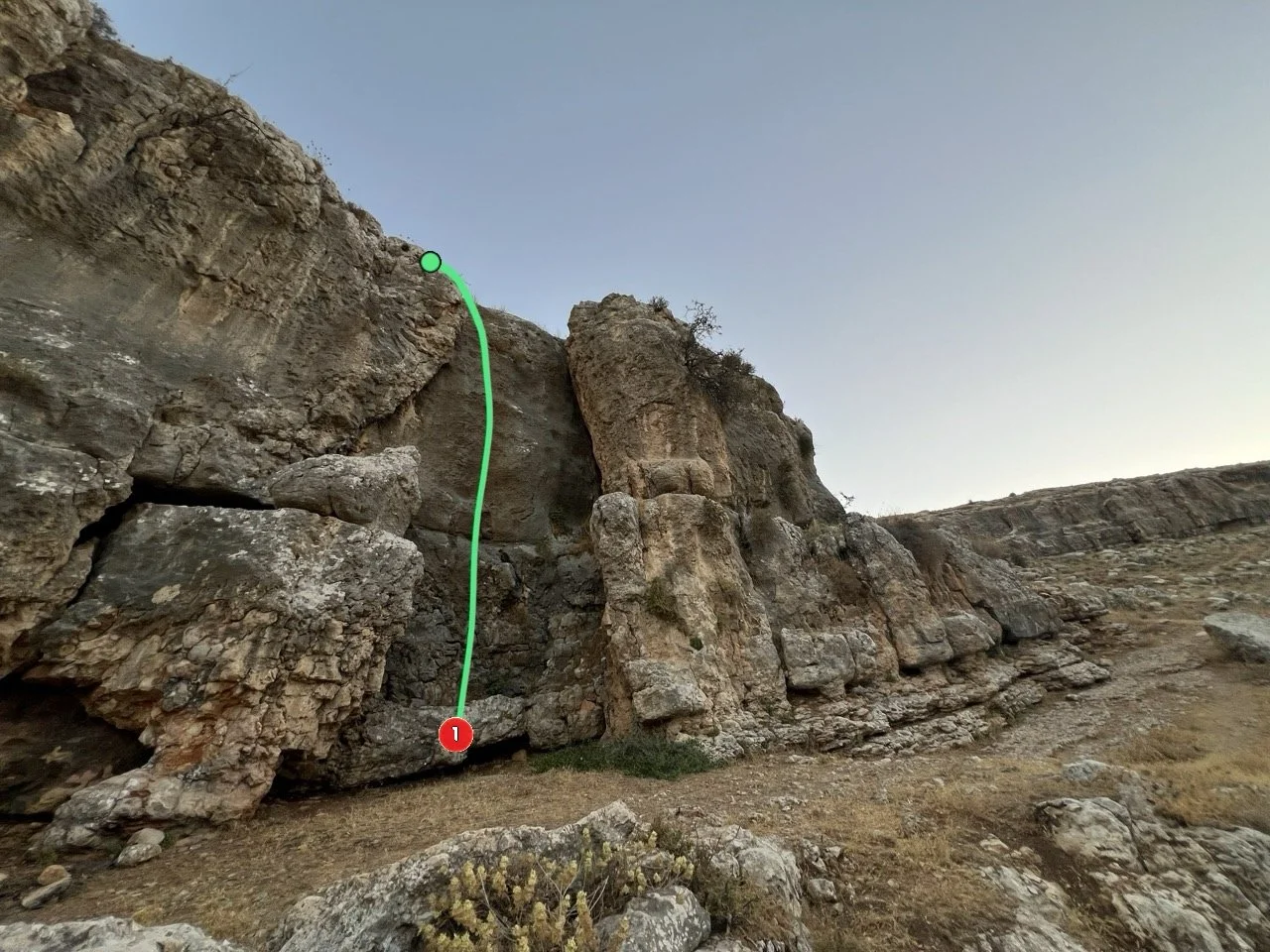
-
![]()
Salman Sector 1
-
![]()
Salman Sector 2
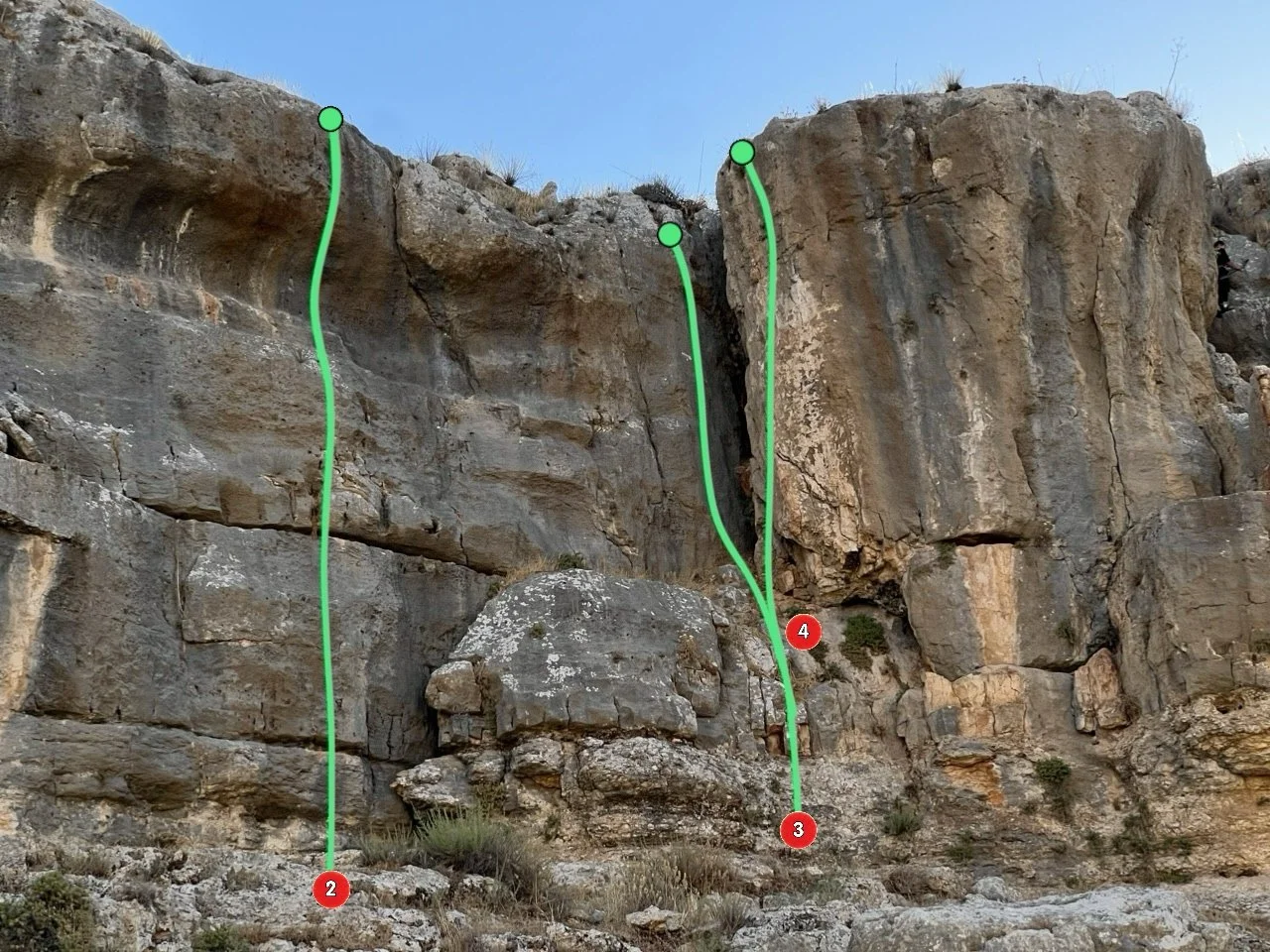
-
![]()
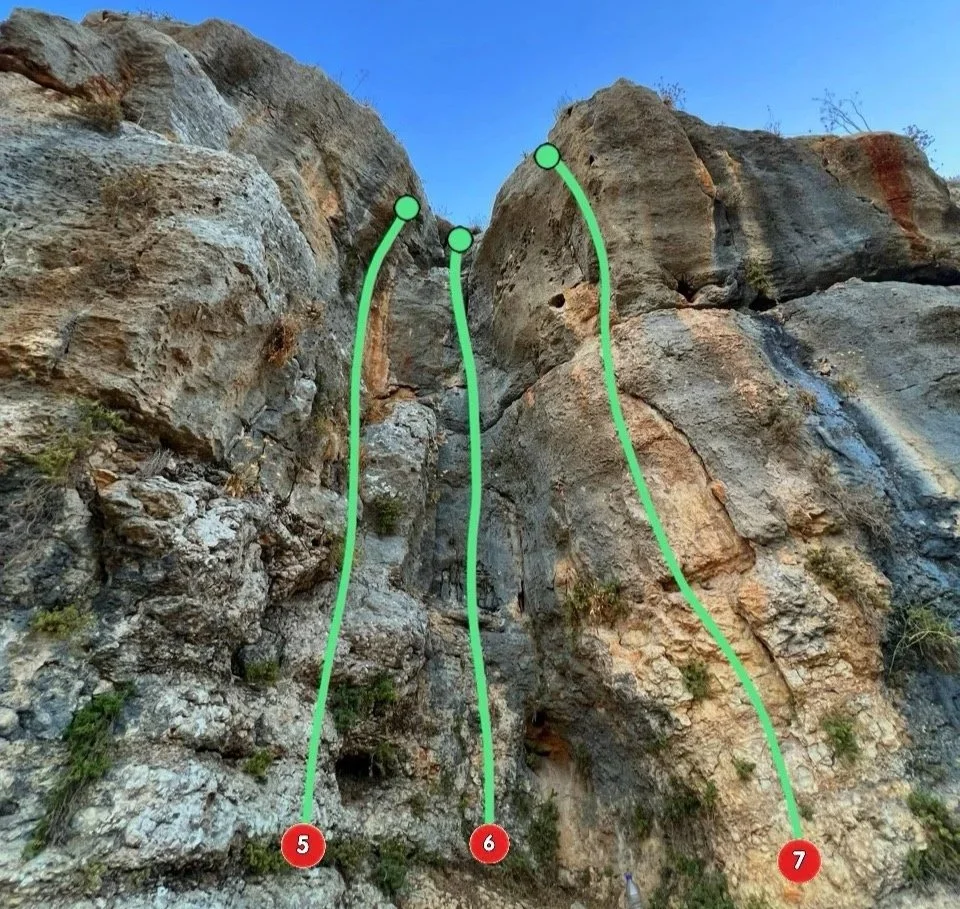
Damascus Sector
-
![]()
Damascus Sector 2
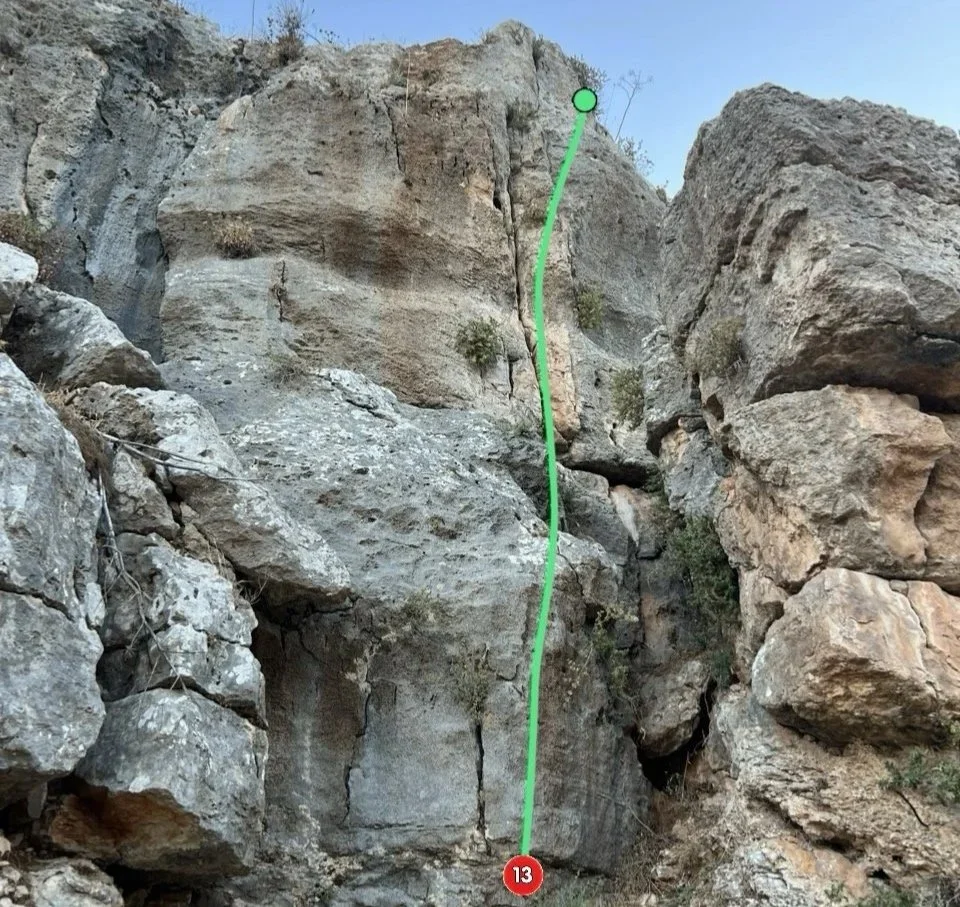
-
![]()
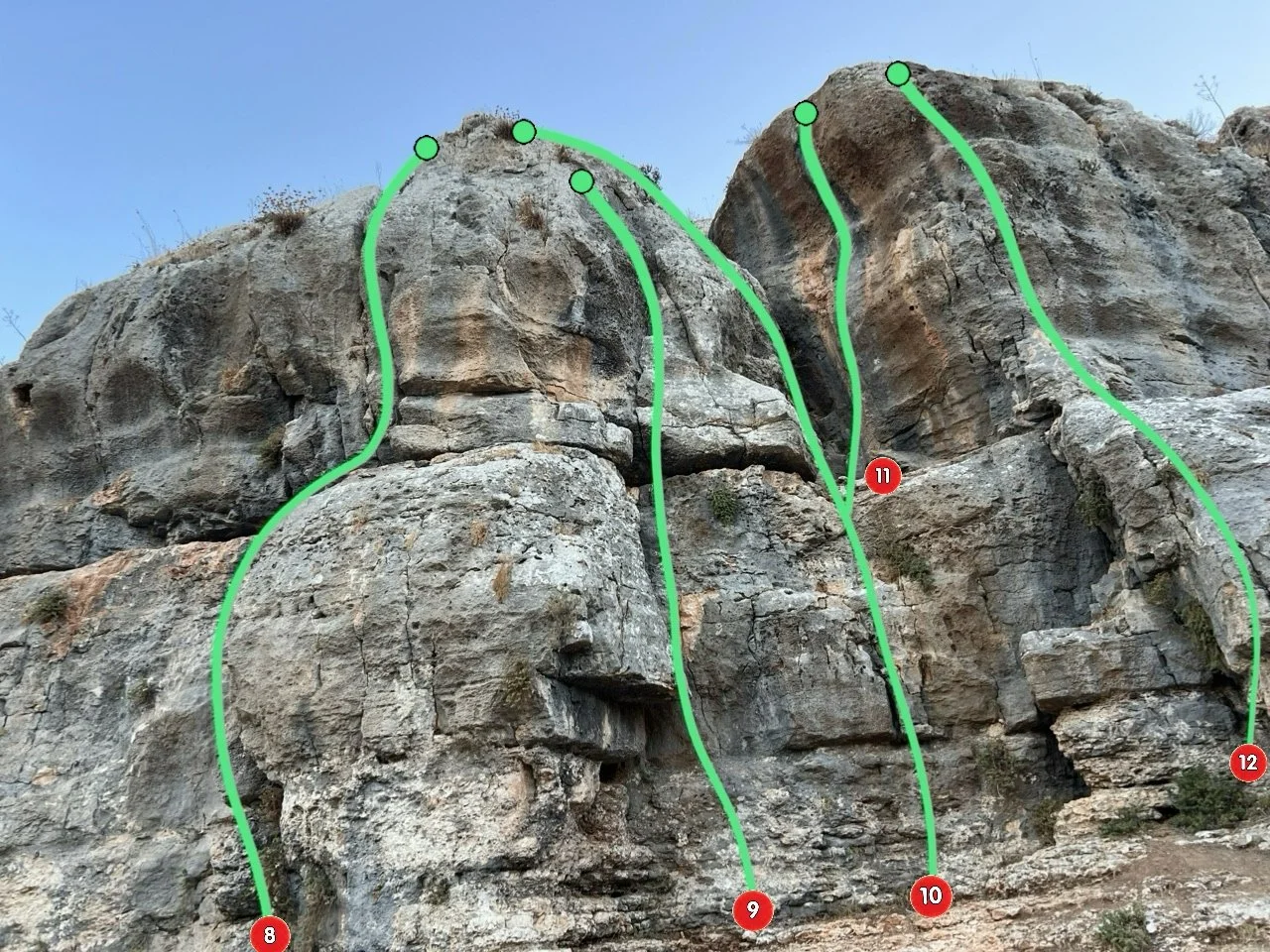
Aelia Sector 1
-
![]()
Aelia Sector 2
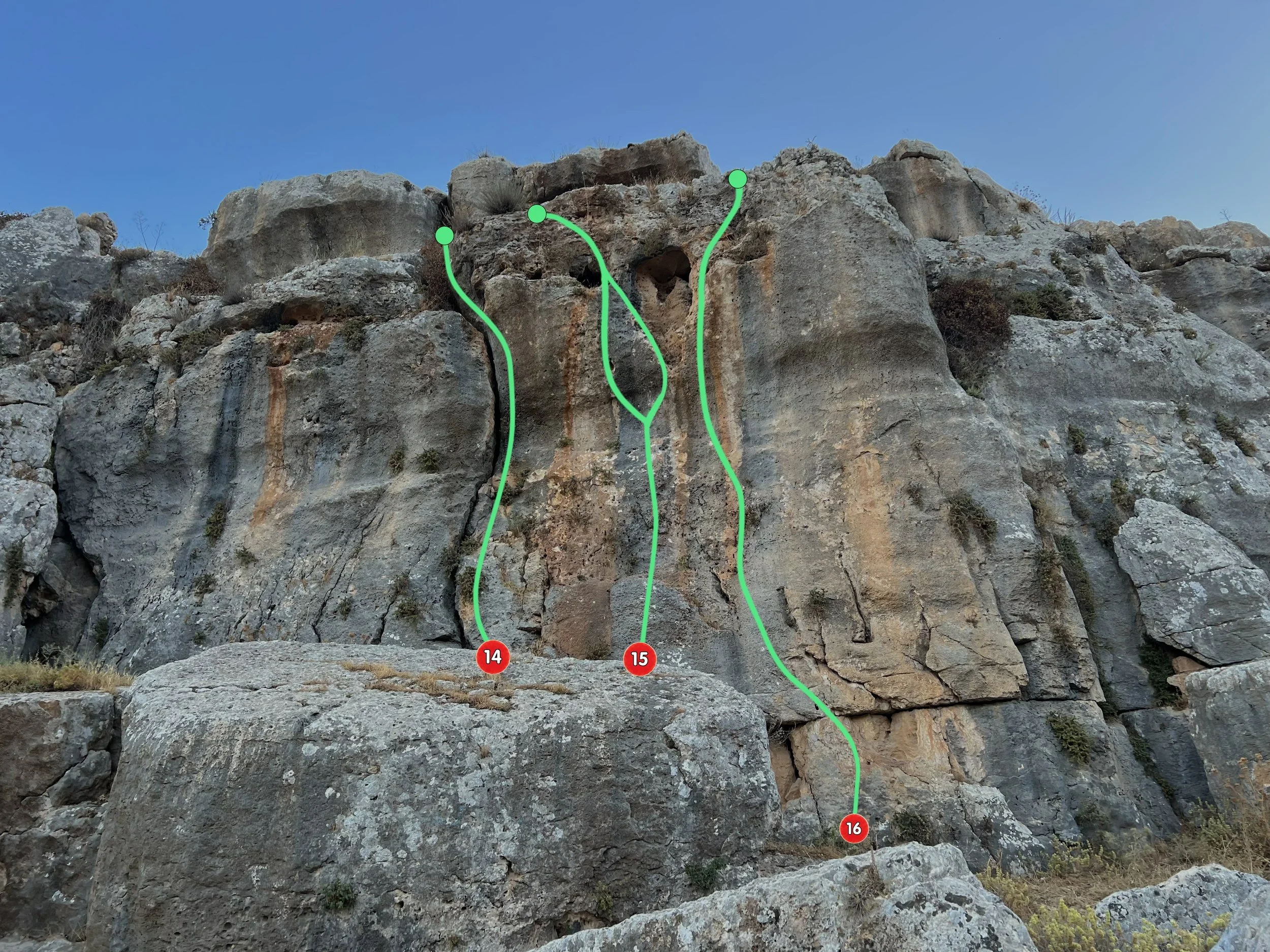
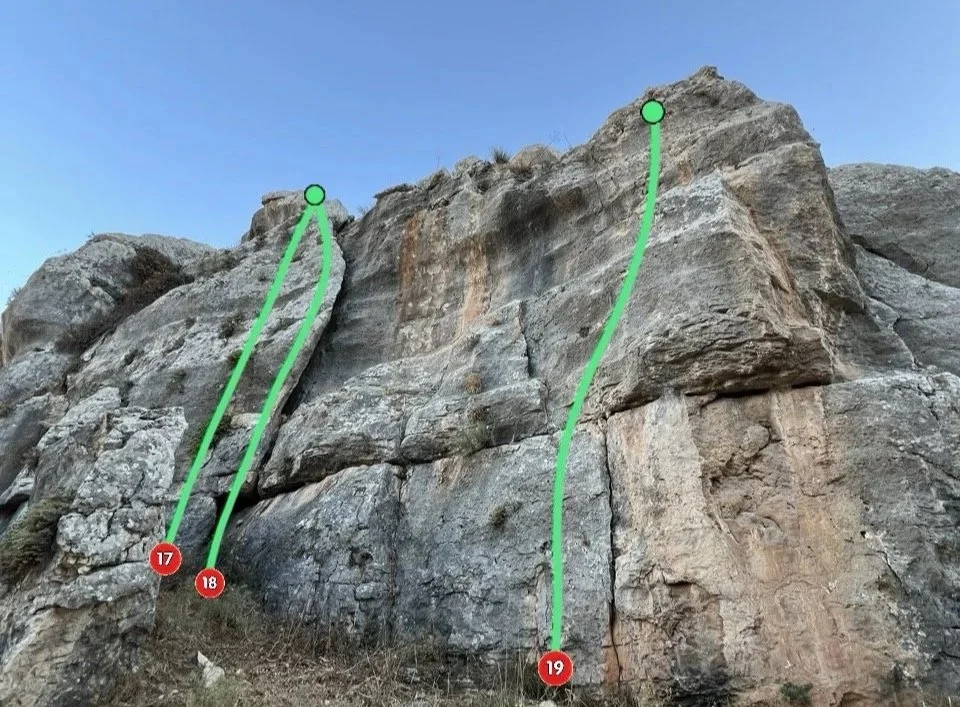
-
![]()
Shams Sector 1
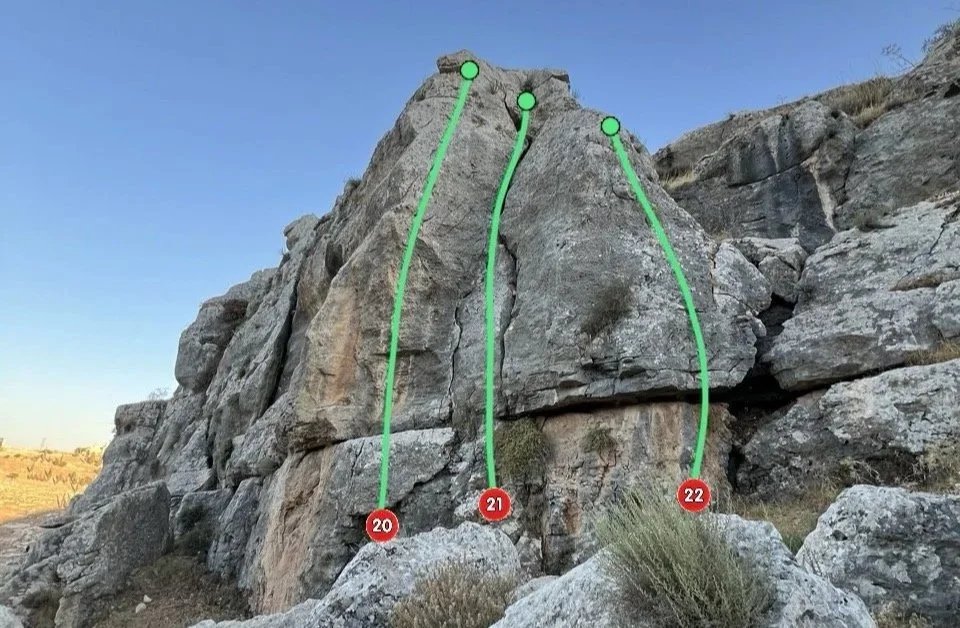
-
![]()
Palm Tree Bouldering 1
-
![]()
Palm Tree Bouldering 2
-
![]()
Palm Tree Bouldering 3
-
![]()
Palm Tree Bouldering 4
-
![]()
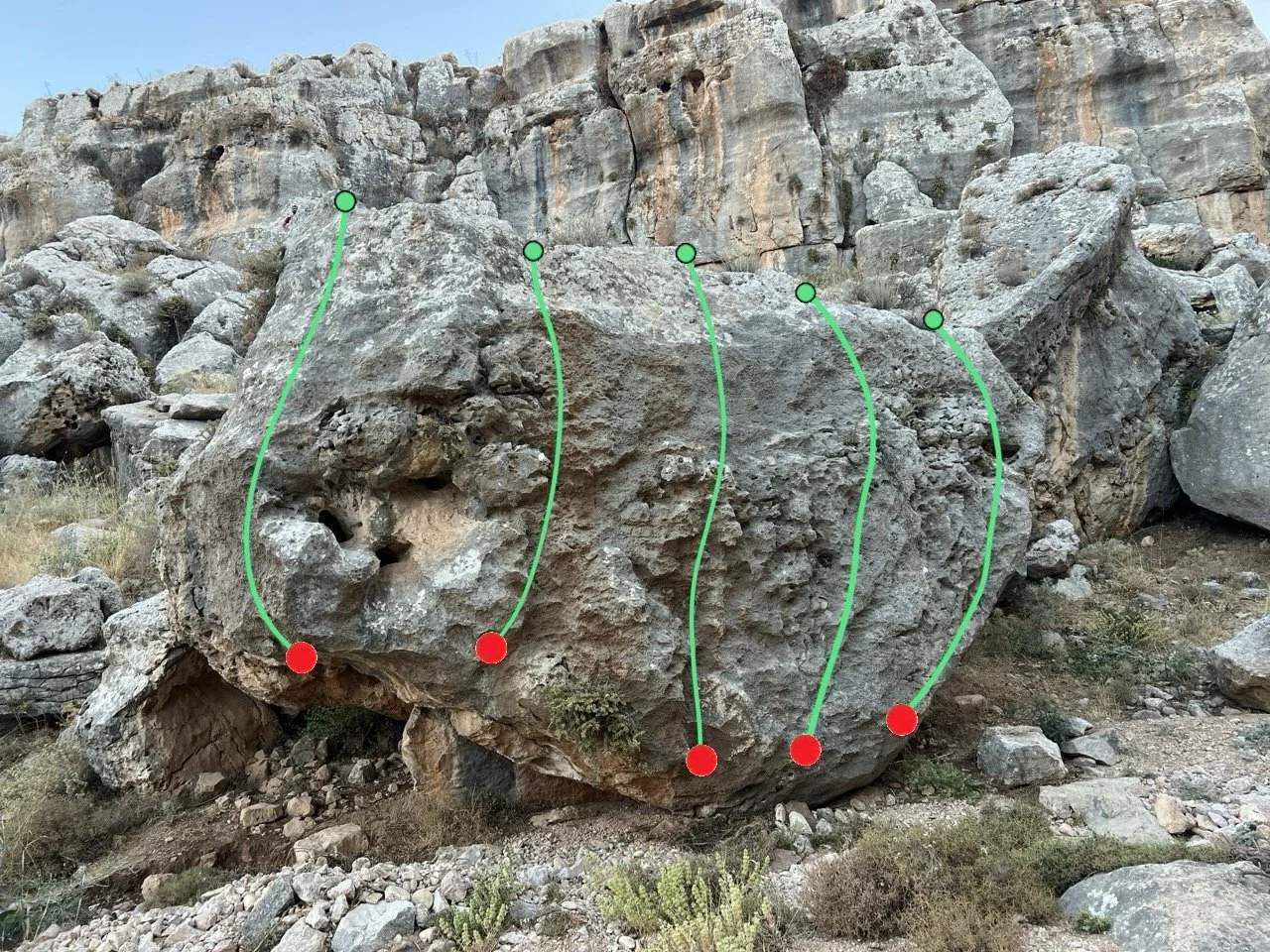
Palm Tree Bouldering 5